HAI Board Committee Successfully Concludes Study Visit to Japan: "Enhancing Healthcare Quality & Safety"

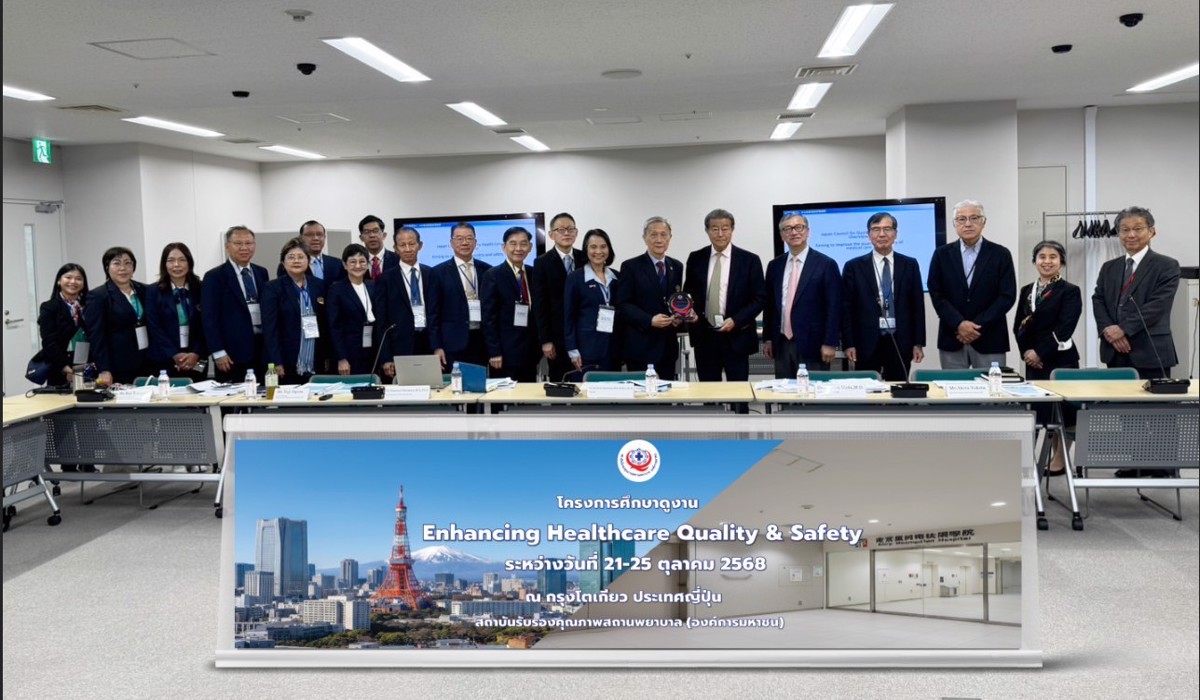
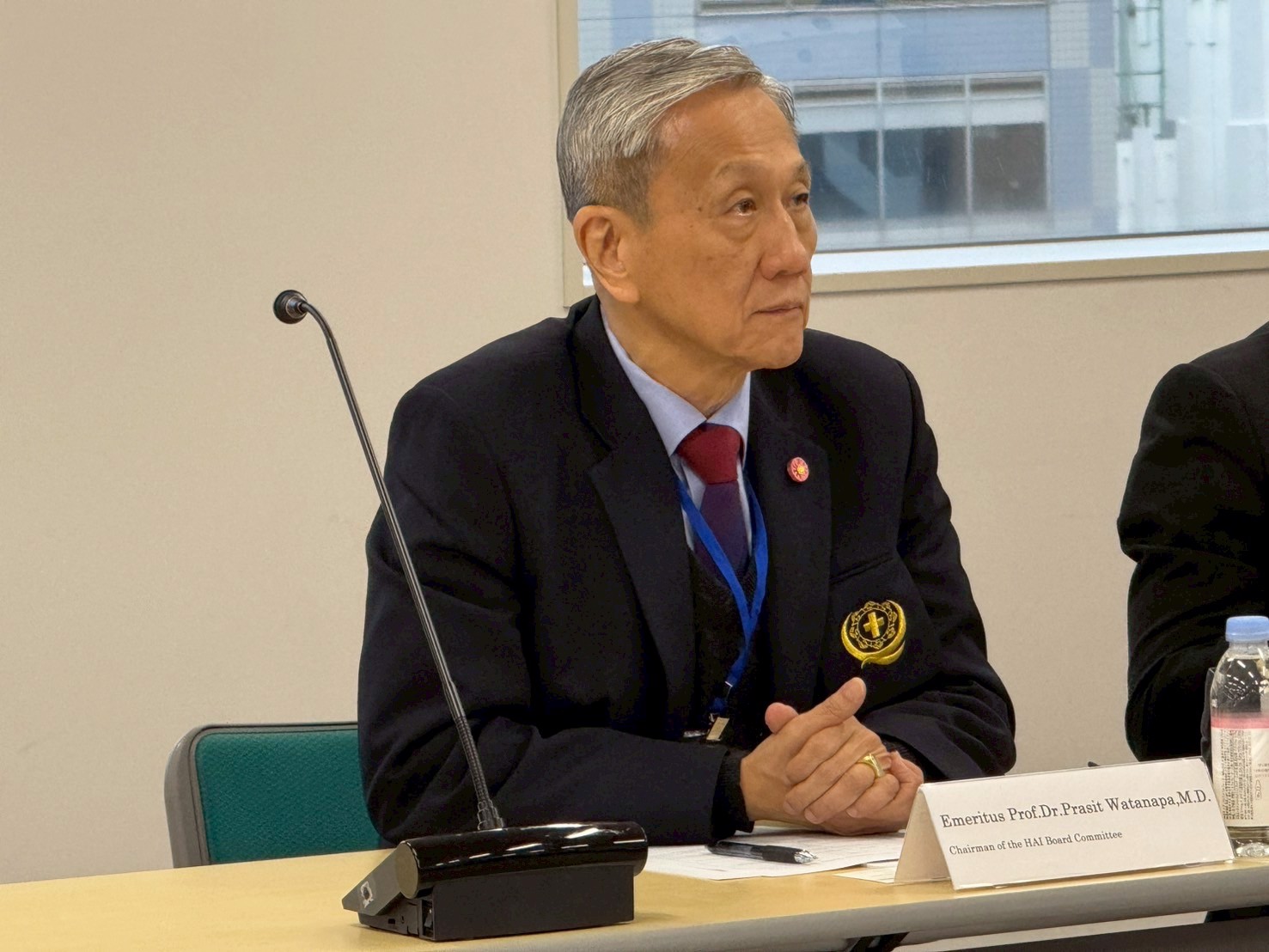
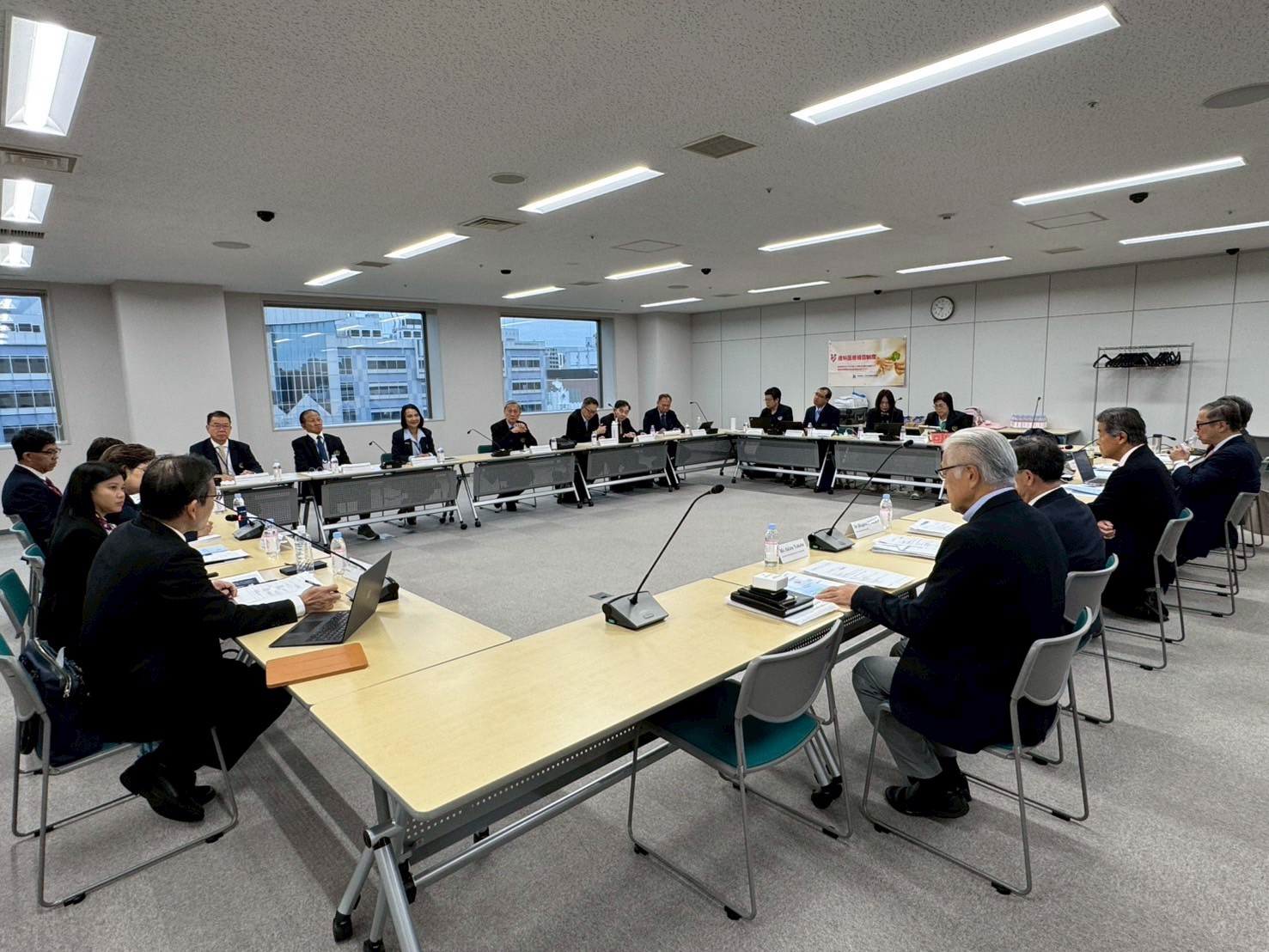
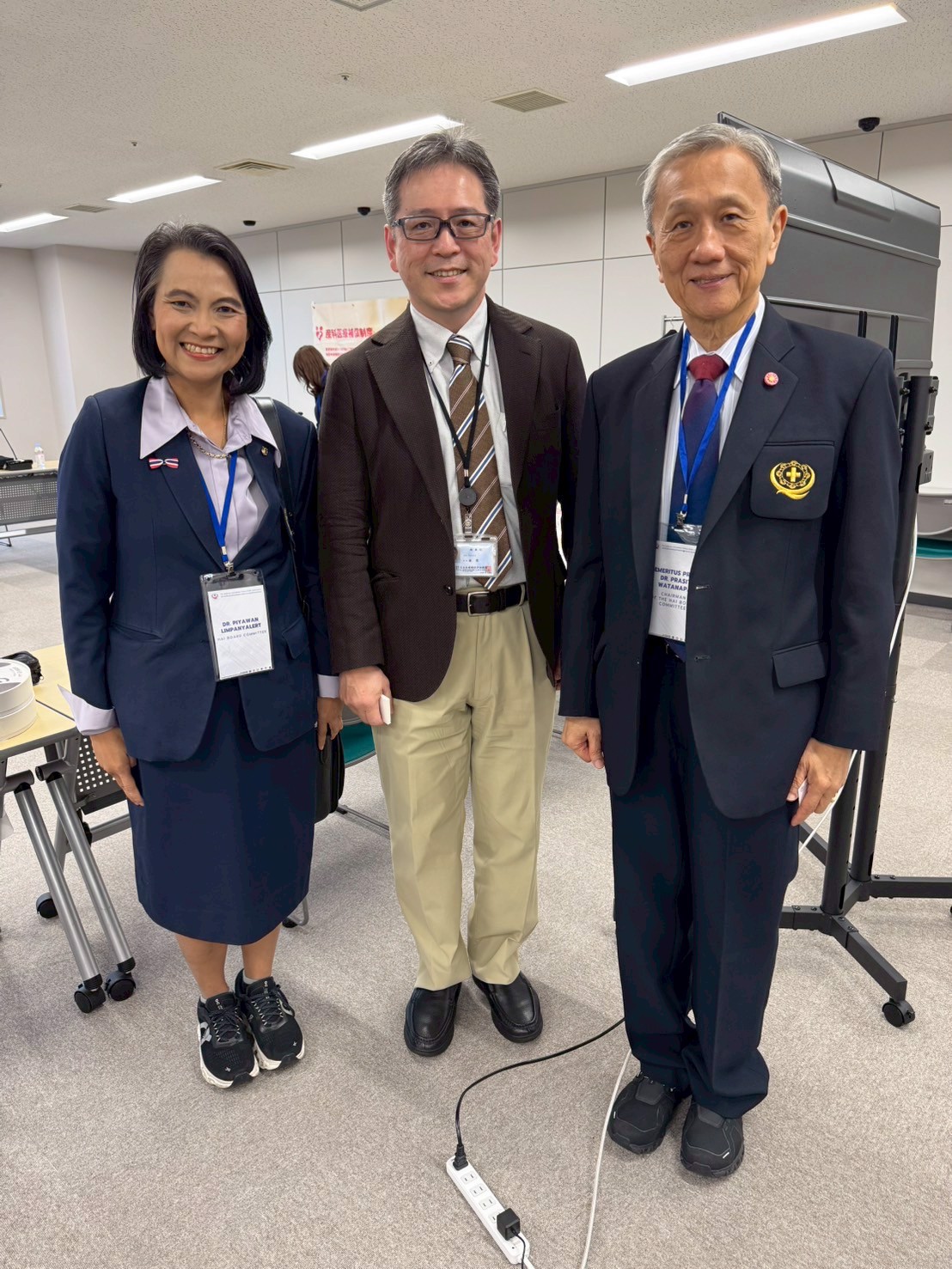
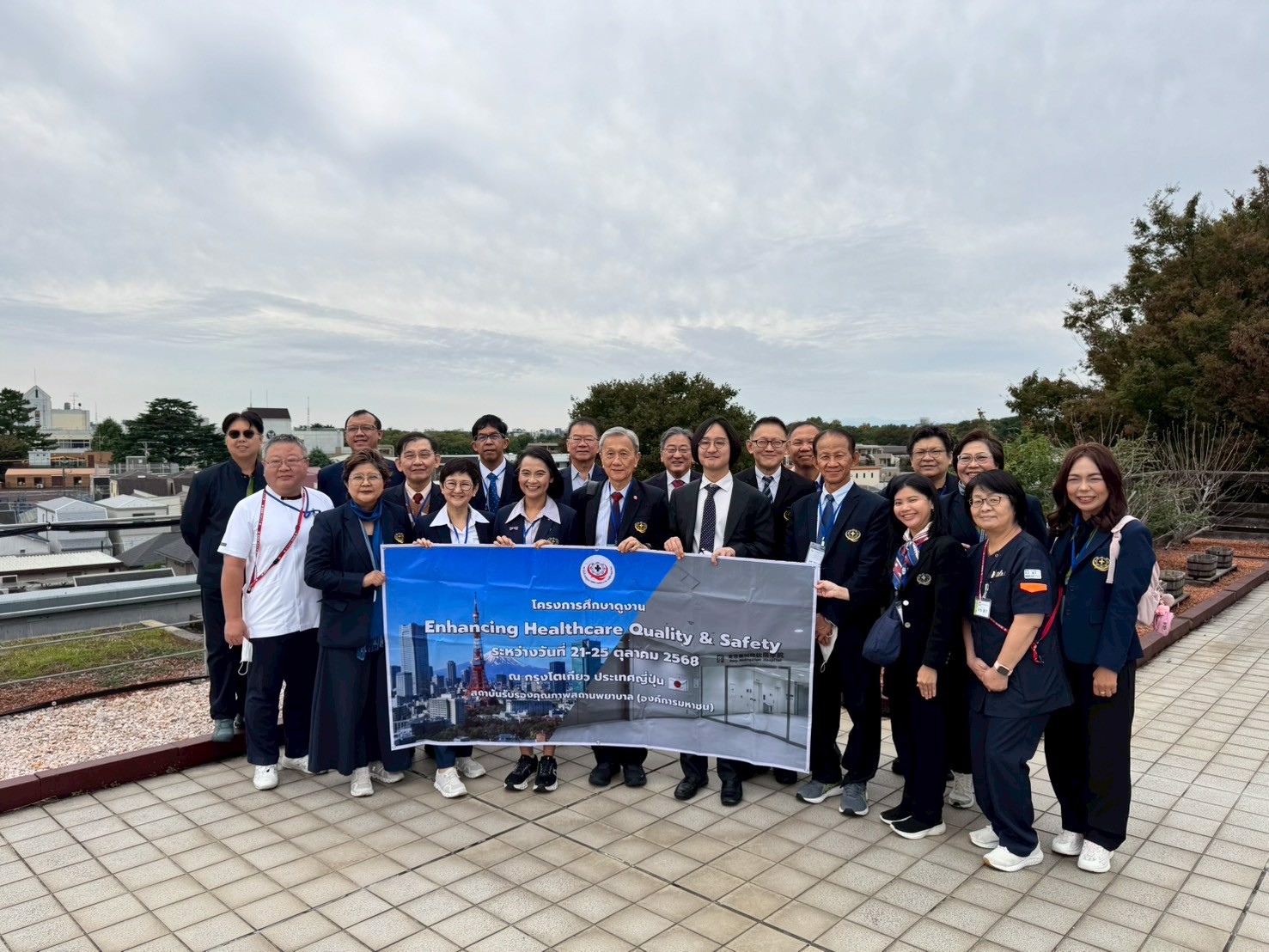
The Healthcare Accreditation Institute (Public Organization) – HAI Board Committee recently concluded a highly successful study visit to Tokyo, Japan, from October 22-25, 2025. The delegation, consisting of 16 members including Chairman Professor Dr. Prasit Watanapa, Chief Executive Officer Dr. Piyawan Limpanyalert, executives, and staff, focused on the theme "Enhancing Healthcare Quality & Safety."
The primary objective of the visit was to bolster HAI's strategic and governance capabilities, foster knowledge exchange with leading Japanese quality and safety organizations and explore opportunities for international collaboration. This initiative aims to further enhance the quality and safety of Thailand's healthcare system, working towards global recognition and sustainability.
Key Engagements and Insights:
October 22, 2025: Visit to the Japan Council for Quality Health Care (JQ)
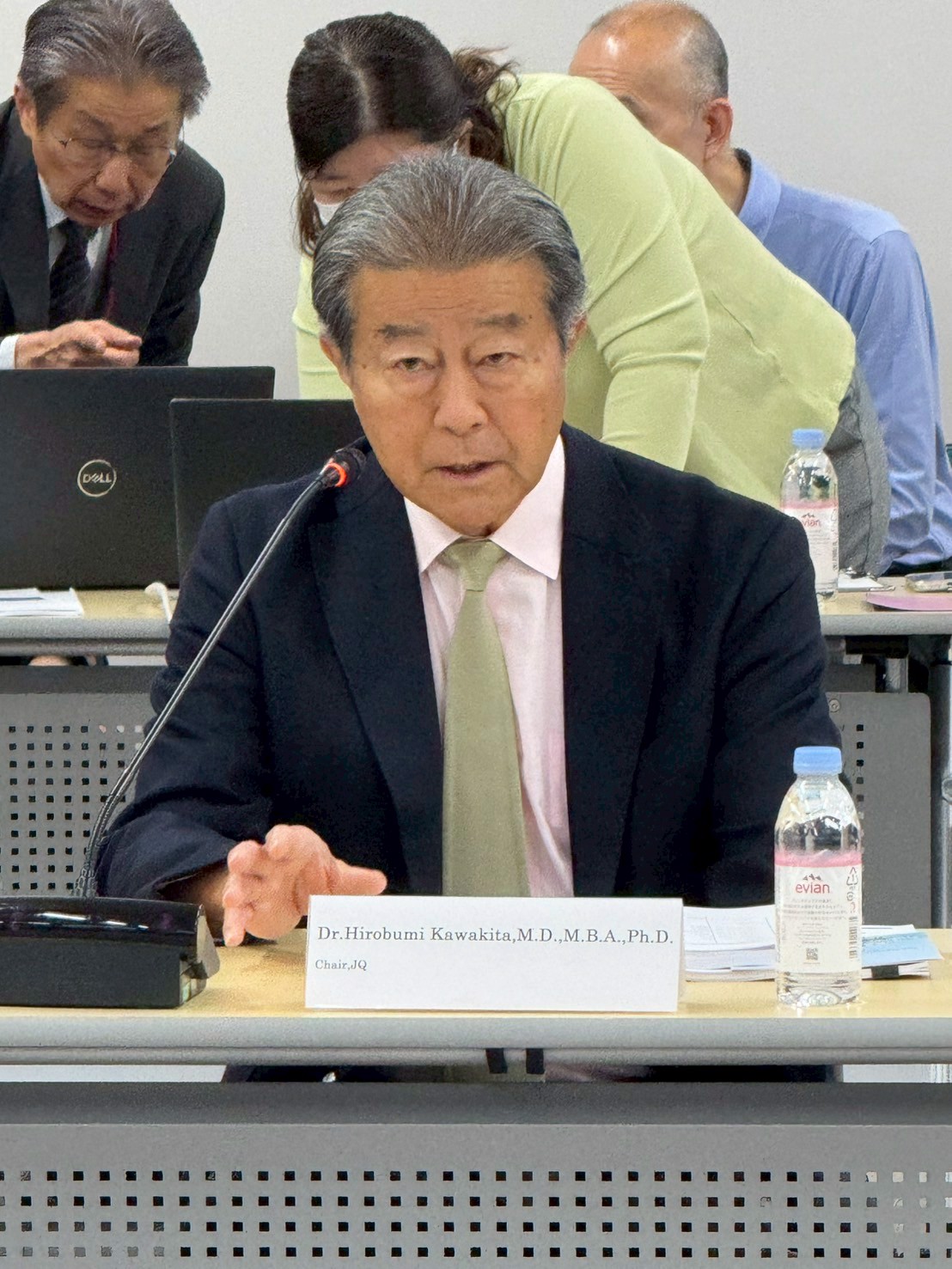
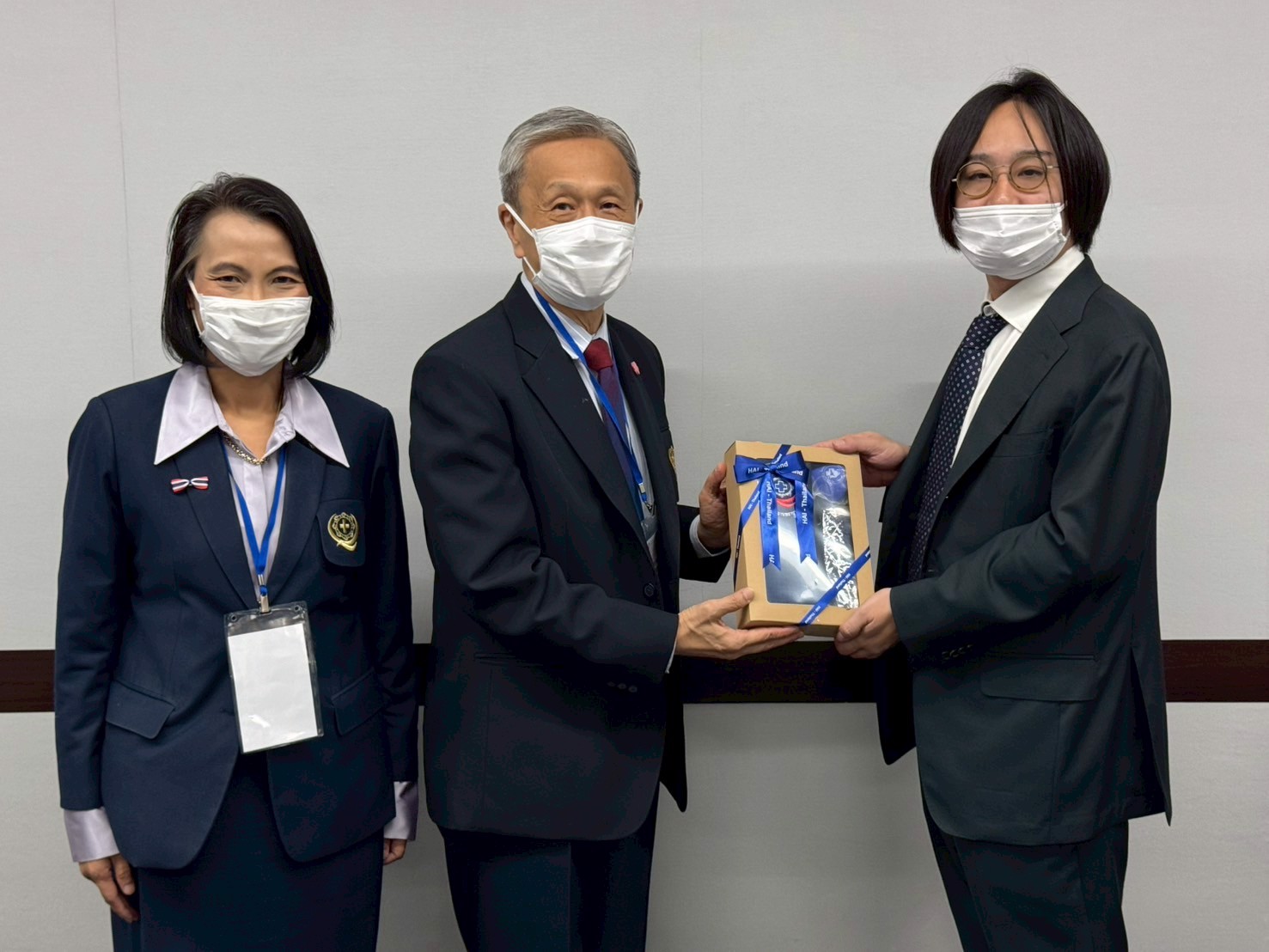
The delegation commenced their visit at the Japan Council for Quality Health Care (JQ), a globally recognized institution central to Japan's healthcare accreditation, patient safety oversight, and management of the National Medical Adverse Event Information System and Medical Compensation System. The HAI team was warmly welcomed by Dr. Hirobumi Kawakita, President of JQ, alongside JQ executives and representatives from the Ministry of Health, Labour and Welfare of Japan.
Discussions covered JQ's foundation in 1995, its inspiration from the U.S. accreditation model, and its adherence to international standards through ISQua EEA participation since 2012. JQ currently accredits 2,168 of Japan's 8,097 hospitals under a voluntary five-year cycle. Topics also included national patient safety policies, the Medical Accident Investigation and Support Center, and quality improvement mechanisms utilizing patient satisfaction and cultural surveys.
Prof. Dr. Shin Ushiro, Director and Executive Board Member of JQ, presented four key initiatives:
1. Medical Adverse Event Information Collection Project
2. Community Pharmacy Near-Miss Reporting and Analysis Project
3. Dental Near-Miss Reporting Project
4. Obstetric Compensation System for Cerebral Palsy
The HAI Board Committee gained significant insights, particularly into:
• Incentive Mechanisms: Accredited hospitals, especially those with specialized functions, benefit from higher reimbursement rates, generating substantial additional revenue (100–1,000 million yen annually).
• The Cerebral Palsy Compensation Program (since 2009): This program provides compensation to families affected by birth-related oxygen deprivation, crucially without penalizing physicians, thereby promoting learning and preventing recurrence.
• Continuous Quality Maintenance: Achieved through midterm assessments and robust surveyor motivation systems.
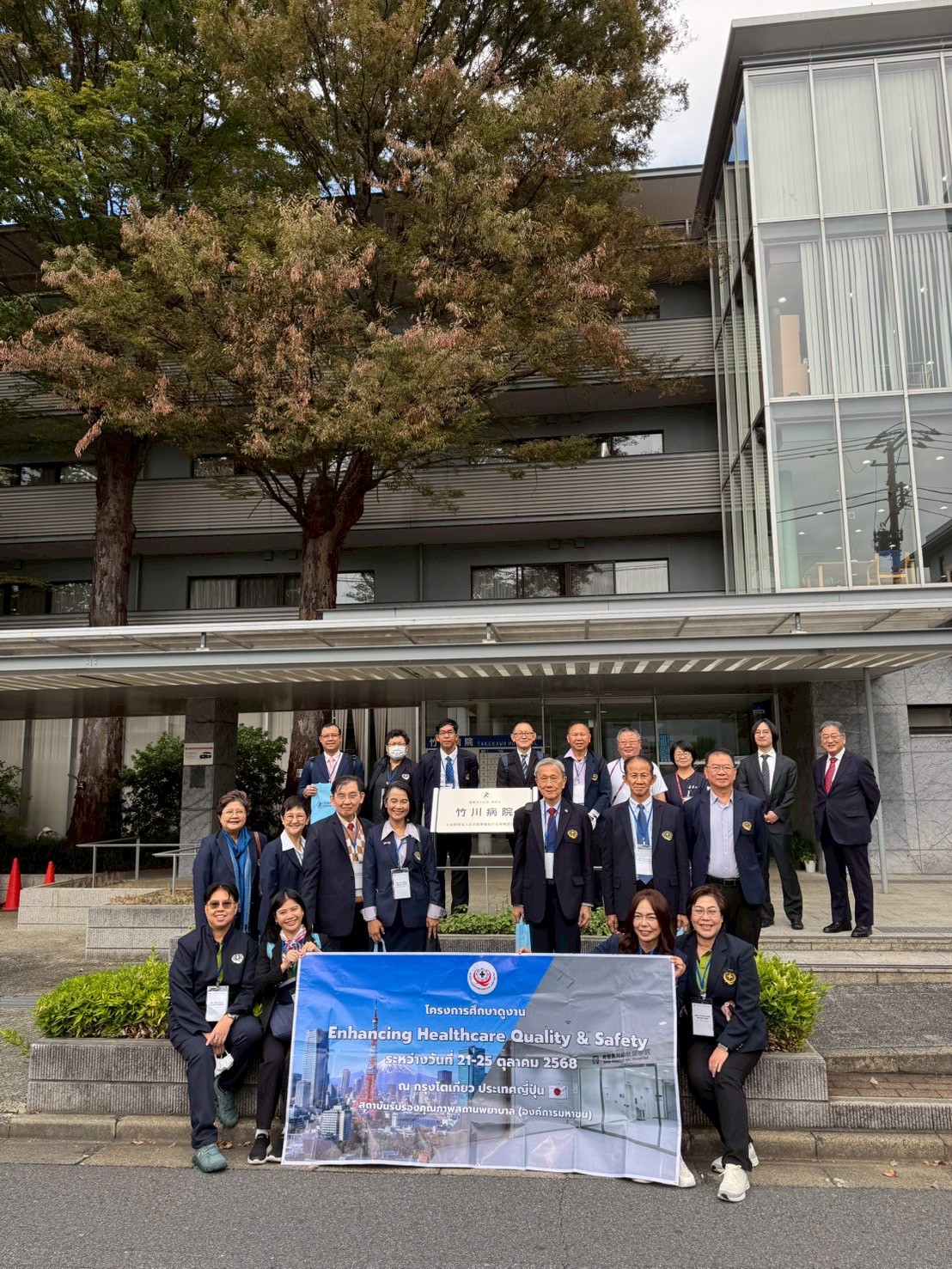
October 23, 2025: Visit to Takekawa Hospital
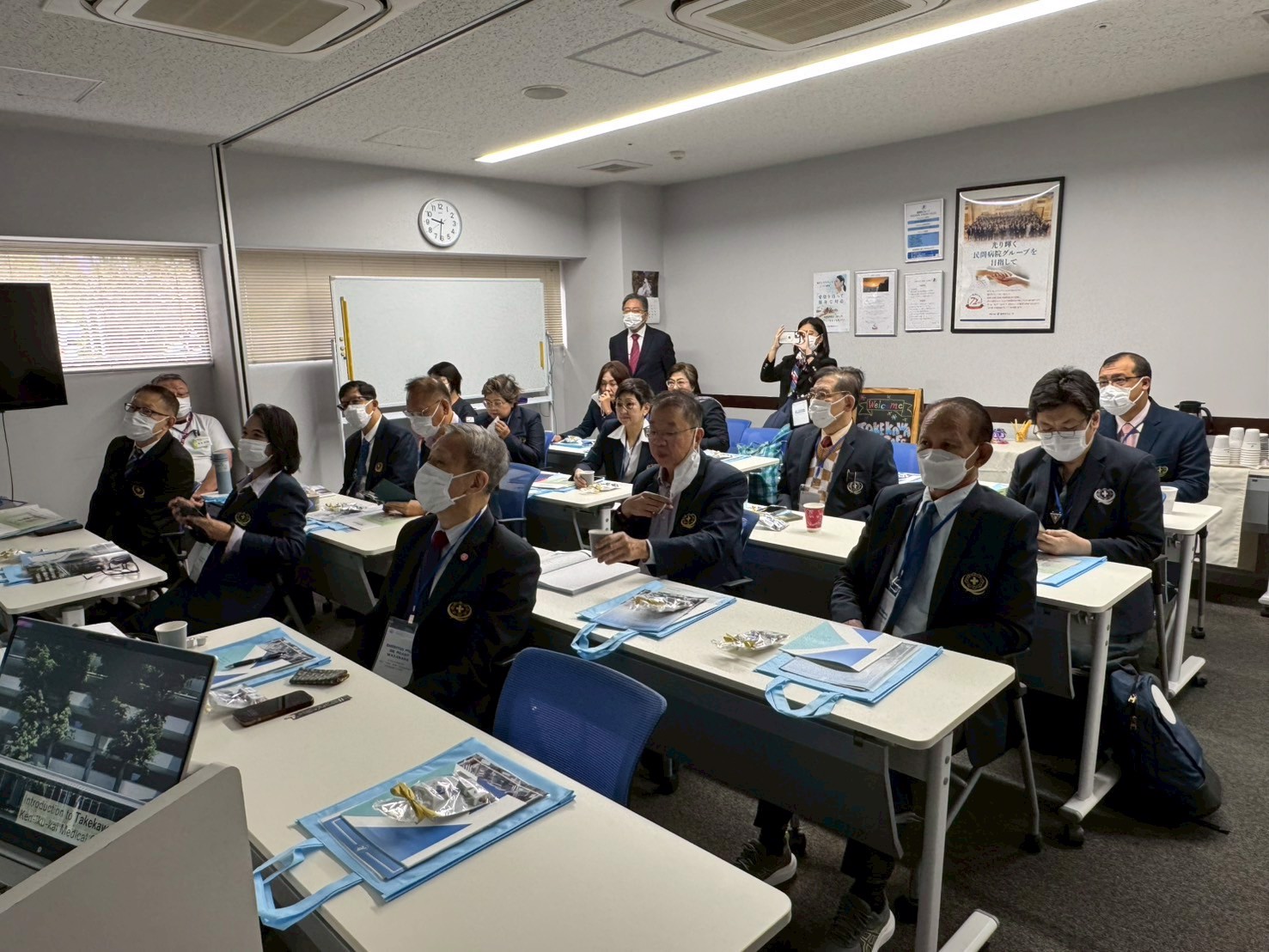
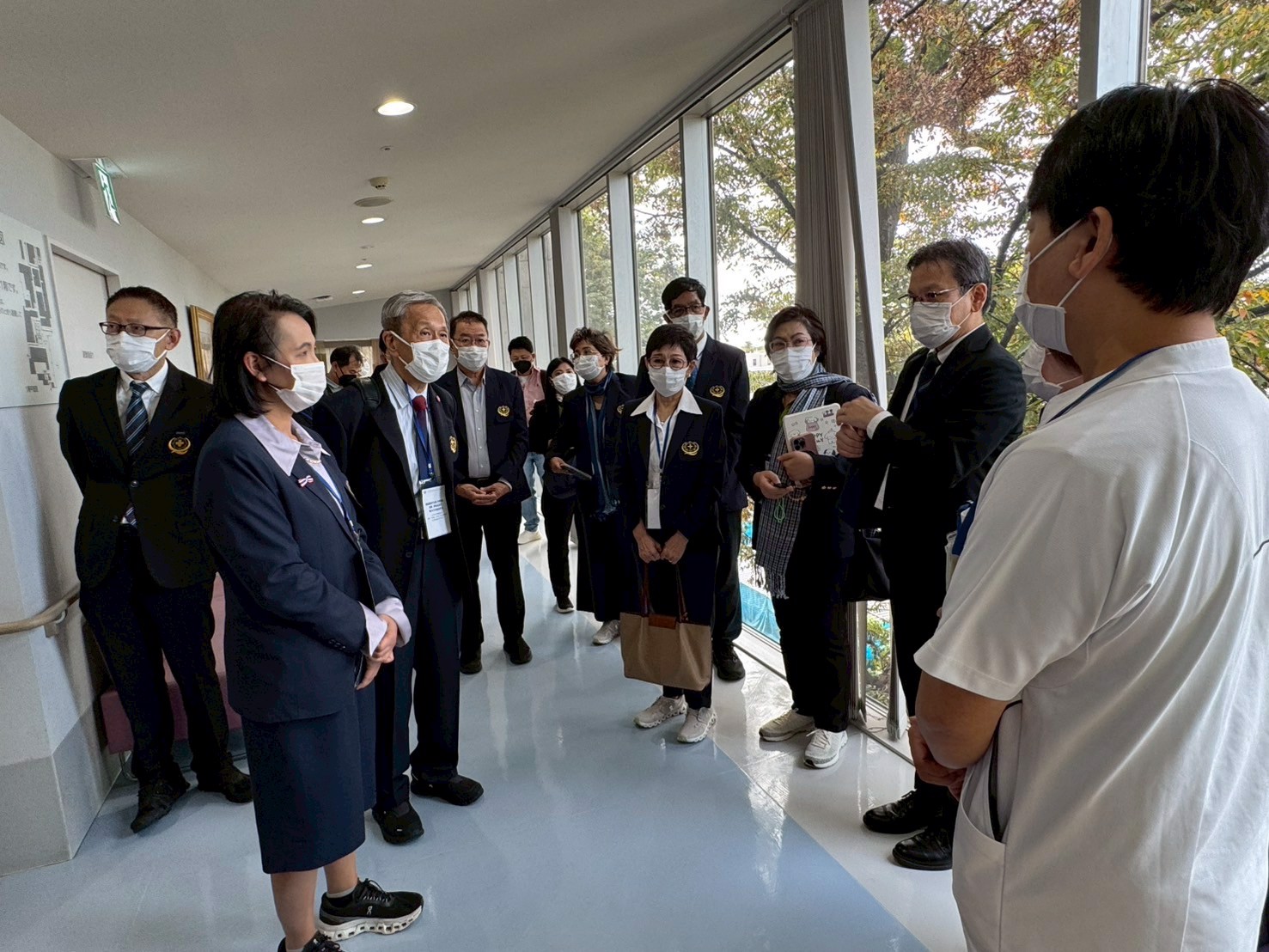
The delegation visited Takekawa Hospital, a 161-bed private facility under the Ken-iku-kai Medical Group. Established in 1952 and relocated in 2007, the hospital specializes in Rehabilitation Medicine and Post-Acute Care, implementing a Person-Centered Care Model. It holds the prestigious JQ accreditation as part of the High Functional Medical Group (General Hospital Group 3), a distinction held by only 80 hospitals nationwide.
Discussions with the hospital management highlighted:
• Network-Based Management: The Ken-iku-kai Medical Group's integrated approach across hospitals, clinics, geriatric care facilities, and group homes ensures smooth patient transitions and effective discharge planning.
• Value of Accreditation: JQ accreditation significantly enhances reputation, public confidence, and drives internal quality improvement.
• Accreditation as an Investment: Providing structured evaluation, fostering continuous improvement, and conferring national credibility in healthcare excellence.
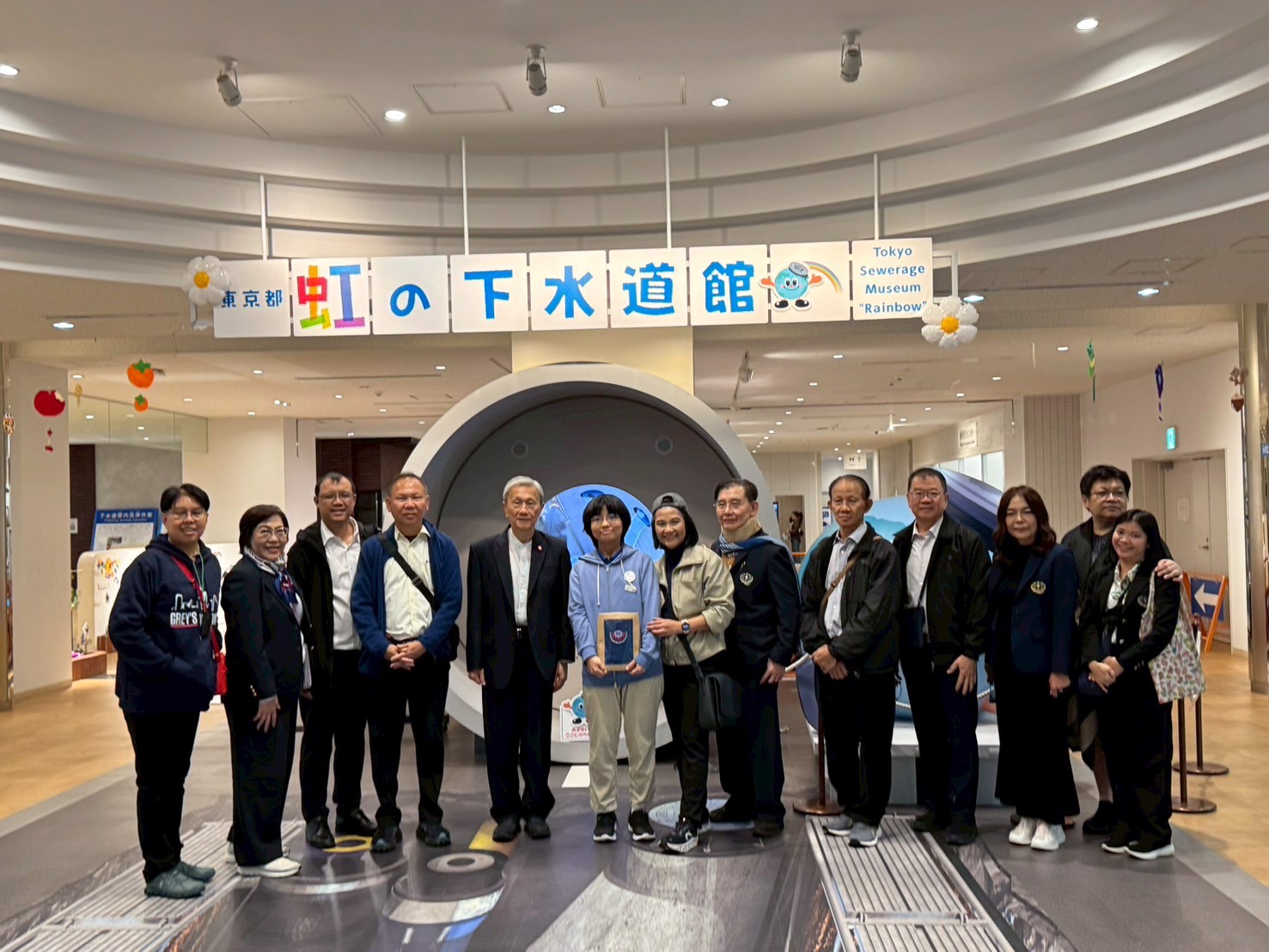
October 24, 2025: Visit to the Tokyo Sewerage Museum "Rainbow"
The delegation also visited the Tokyo Sewerage Museum “Rainbow,” operating under the concept “A Town of Visible Sewerage.” This museum, an integral part of Tokyo's wastewater treatment and environmental infrastructure, effectively demonstrates how the city engages the public to “see, understand, and participate” in environmental management. This aligns with HAI's core mission to make healthcare quality visible, understandable, and participatory, reinforcing that quality and safety are shared responsibilities among all stakeholders.
The study visit provided HAI Board Committee with invaluable insights into Japan's advanced healthcare quality management, accreditation systems, and innovative approaches to patient safety and digital transformation. These crucial lessons will contribute to HAI's strategic development and inform actionable recommendations, reinforcing its ongoing mission to strengthen hospital accreditation in Thailand and ensure that every healthcare facility delivers safe, high-quality, and trusted care for all.
คลังภาพ