HAI Celebrates Its 17th Anniversary, Advancing HA Standards from Thailand’s Pride to Global Confidence

The Healthcare Accreditation Institute (Public Organization) (HAI) marked its 17th anniversary by reaffirming its commitment to elevating Thailand’s Hospital Accreditation (HA) standards from a source of national pride to a benchmark of international confidence. The Permanent Secretary of the Ministry of Public Health emphasized the Ministry’s policy on healthcare service quality, stating that HAI’s future direction should focus on driving international standards within the Thai context while embracing digital transformation to strengthen the healthcare system for the modern era.

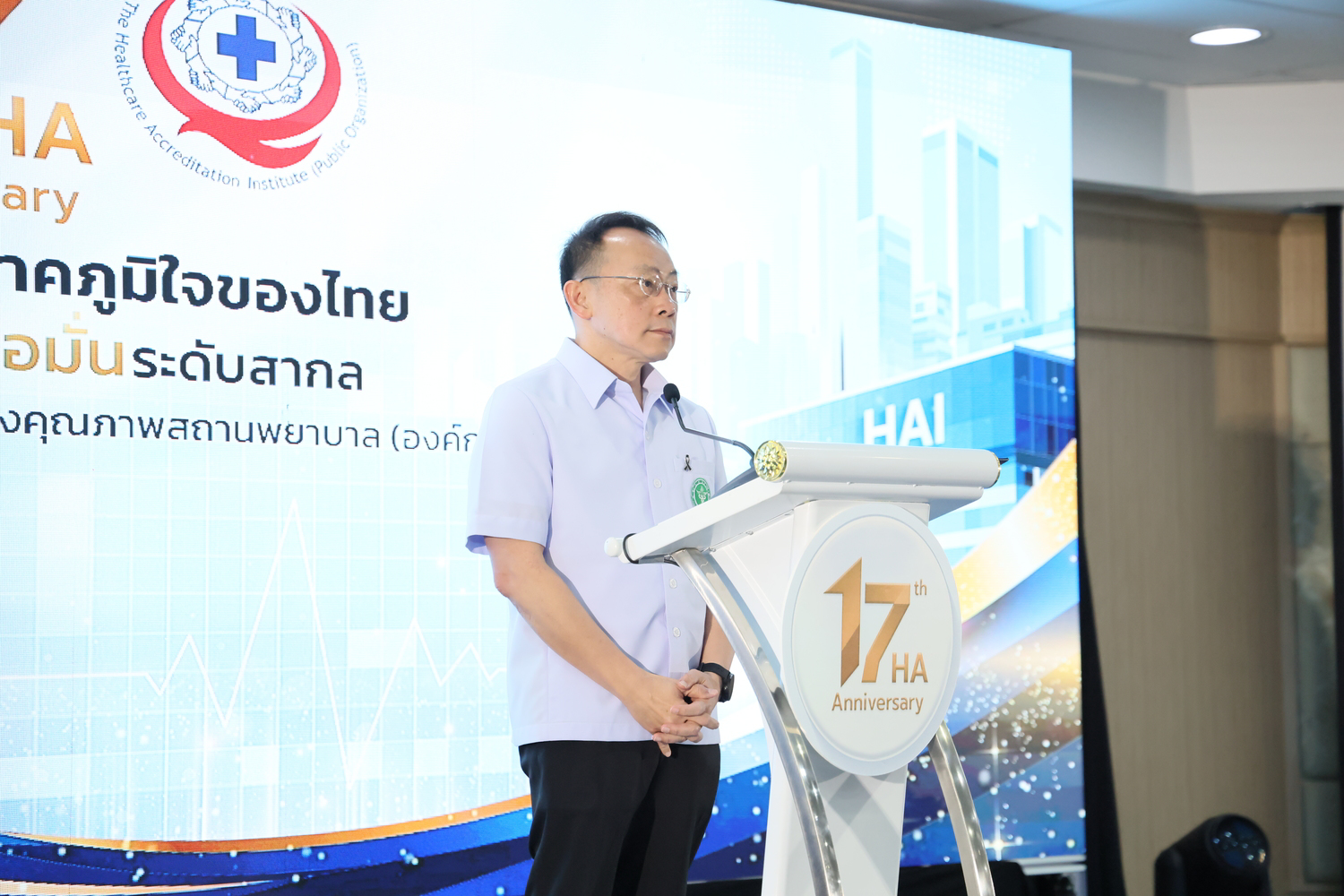
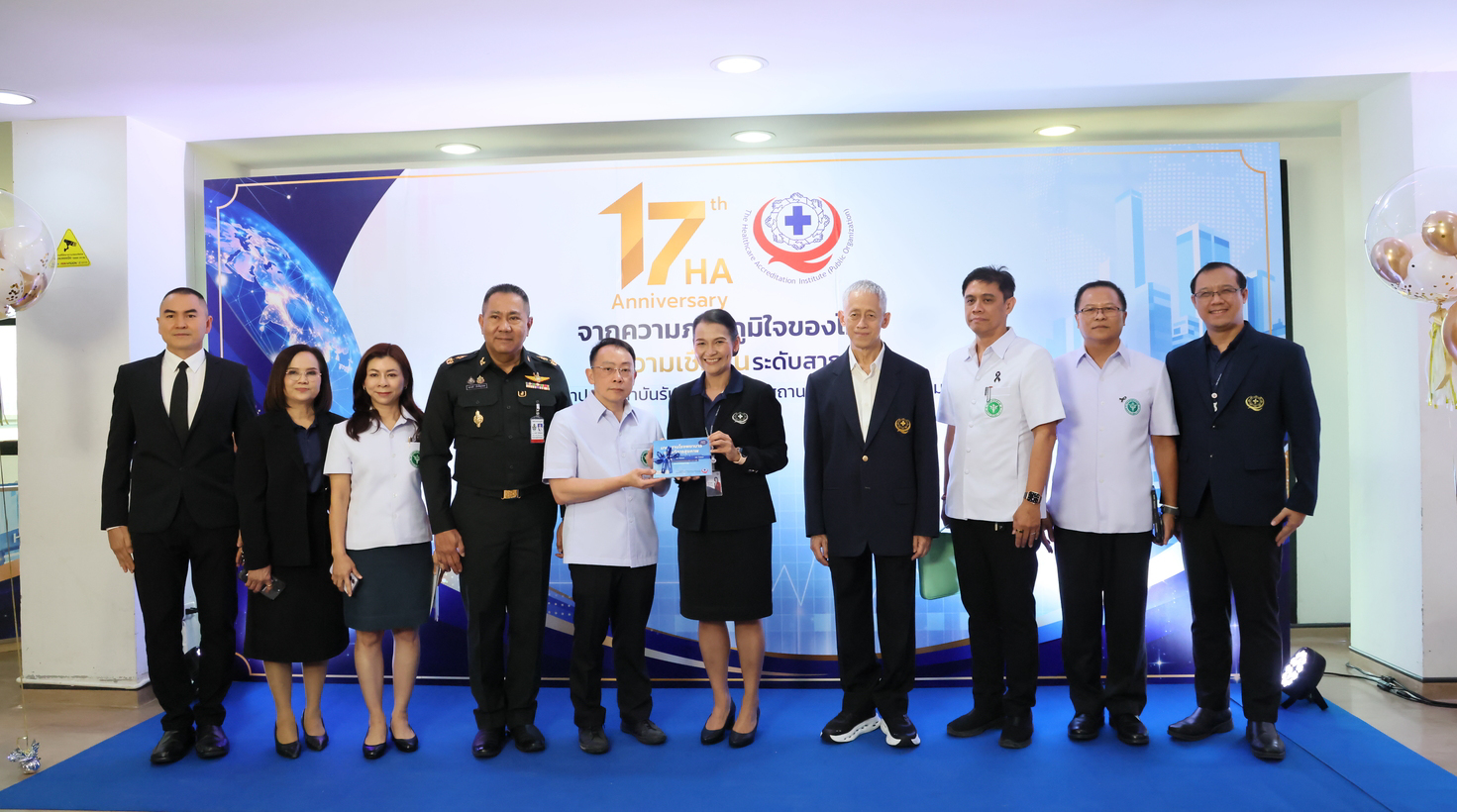
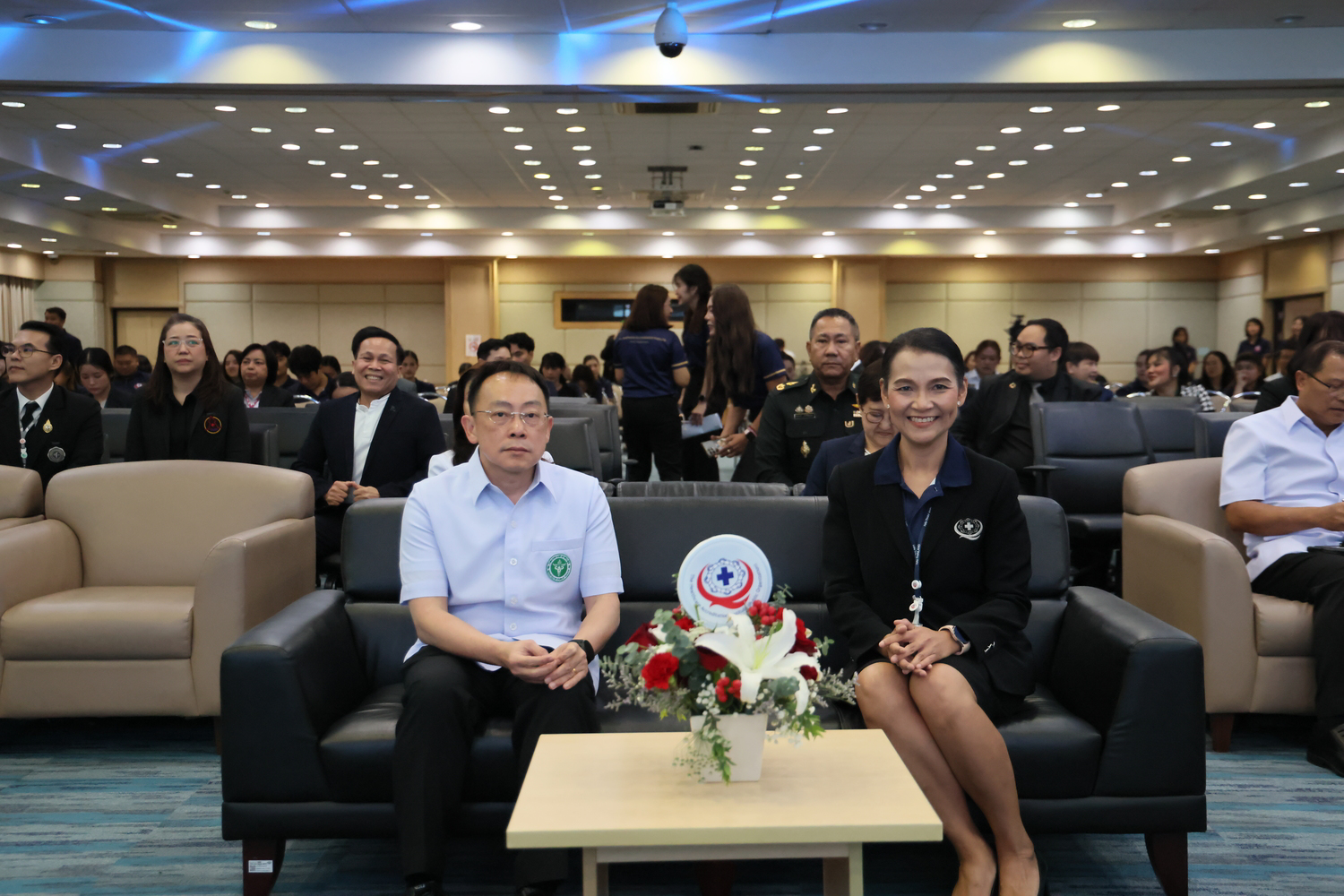
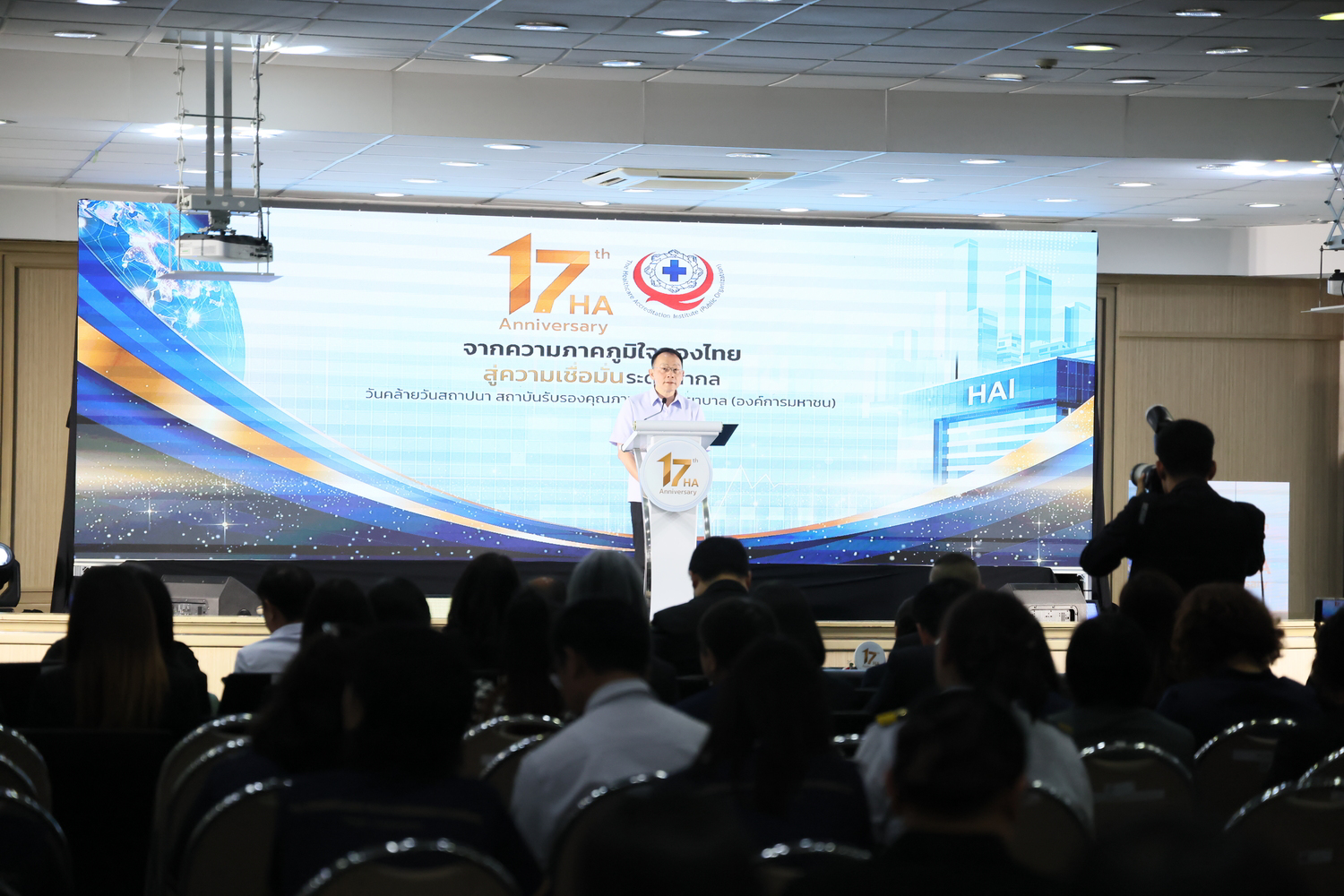
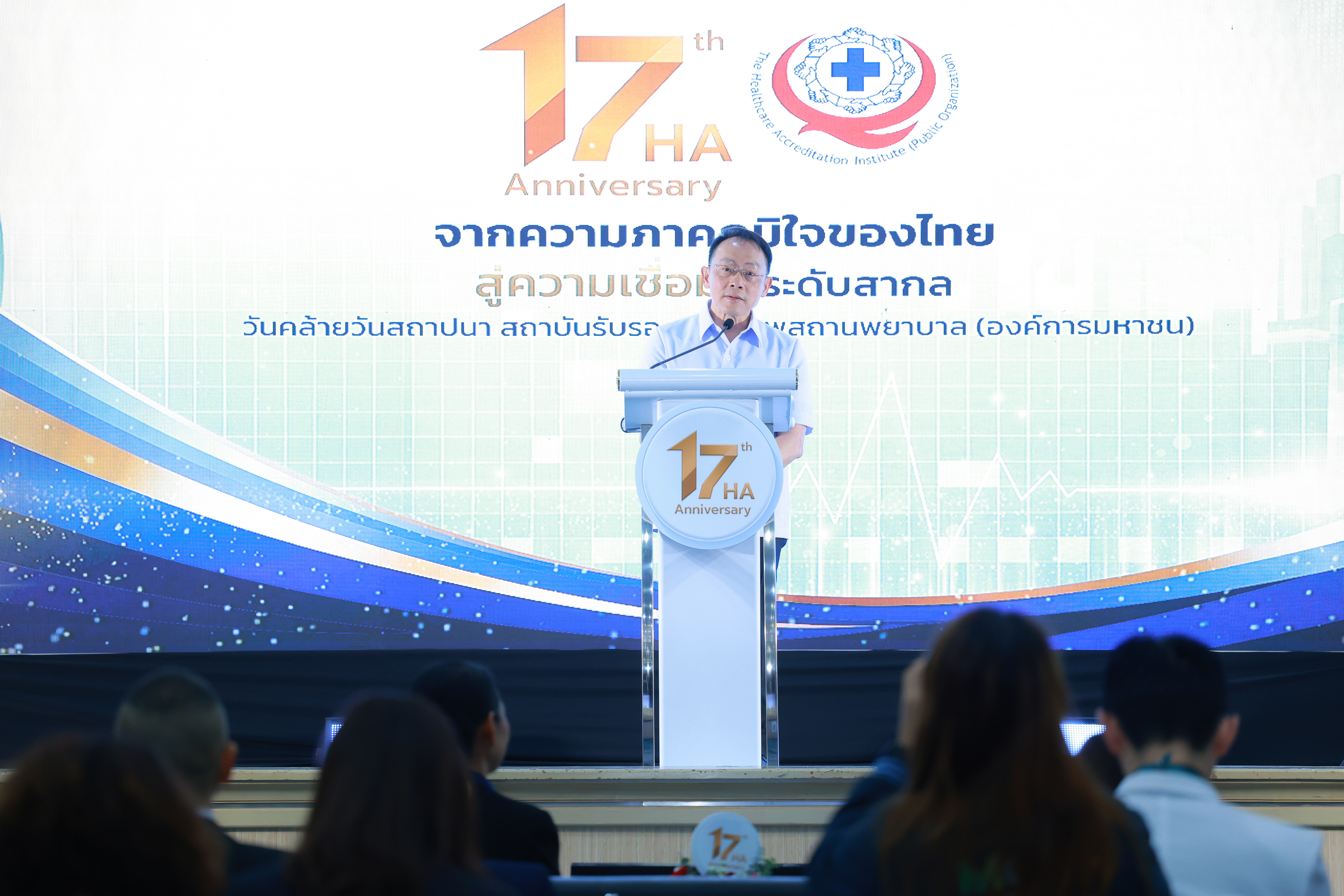
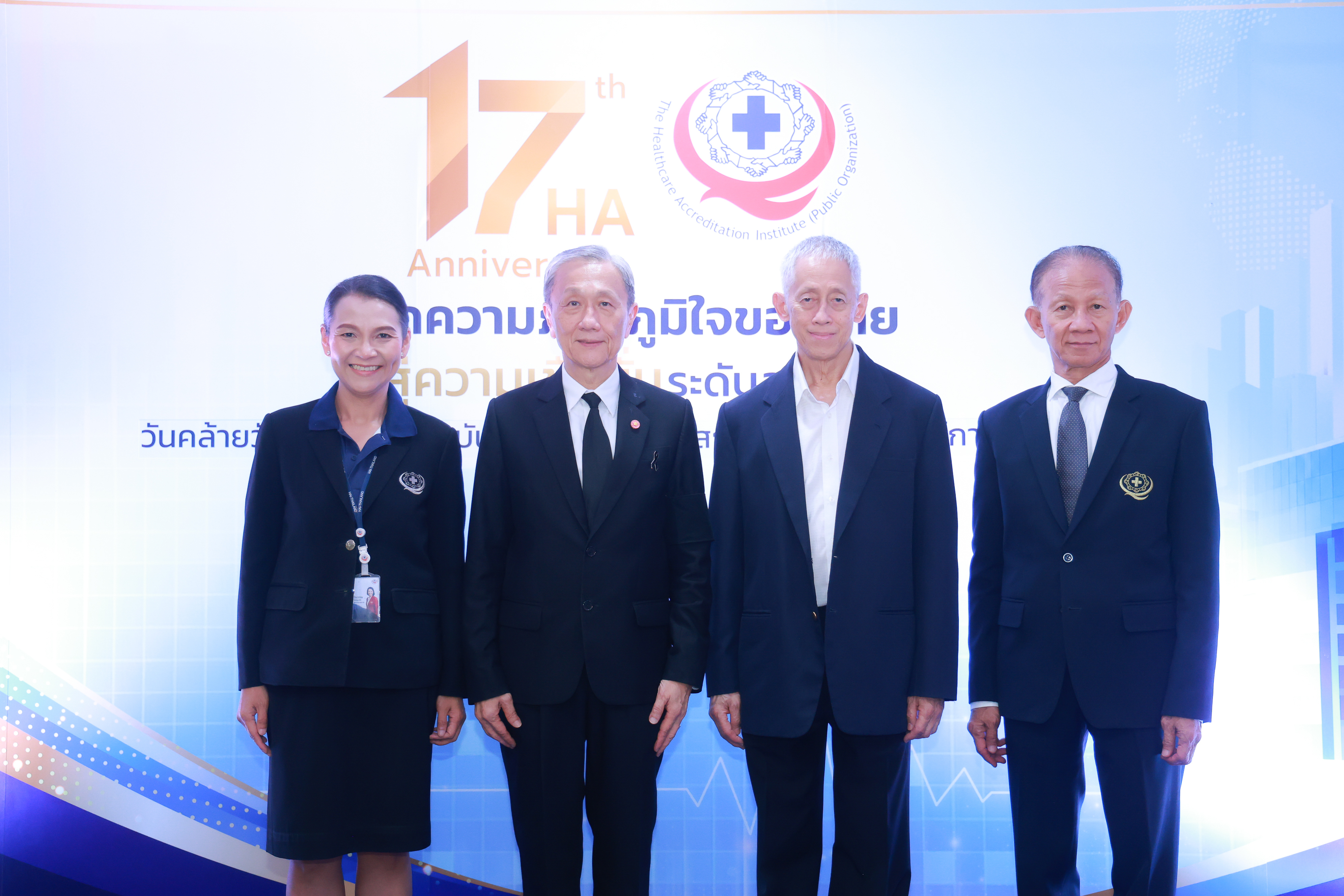
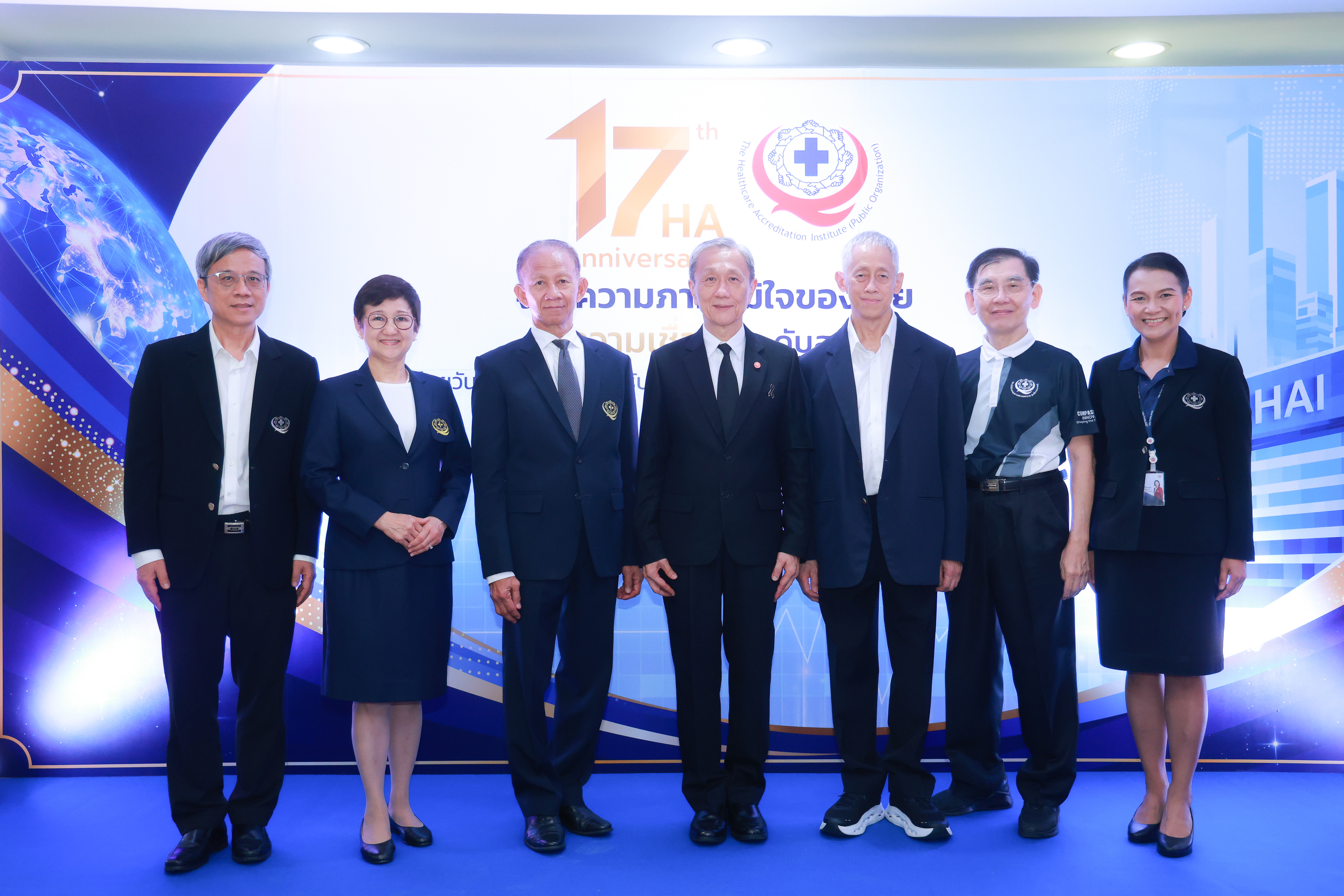
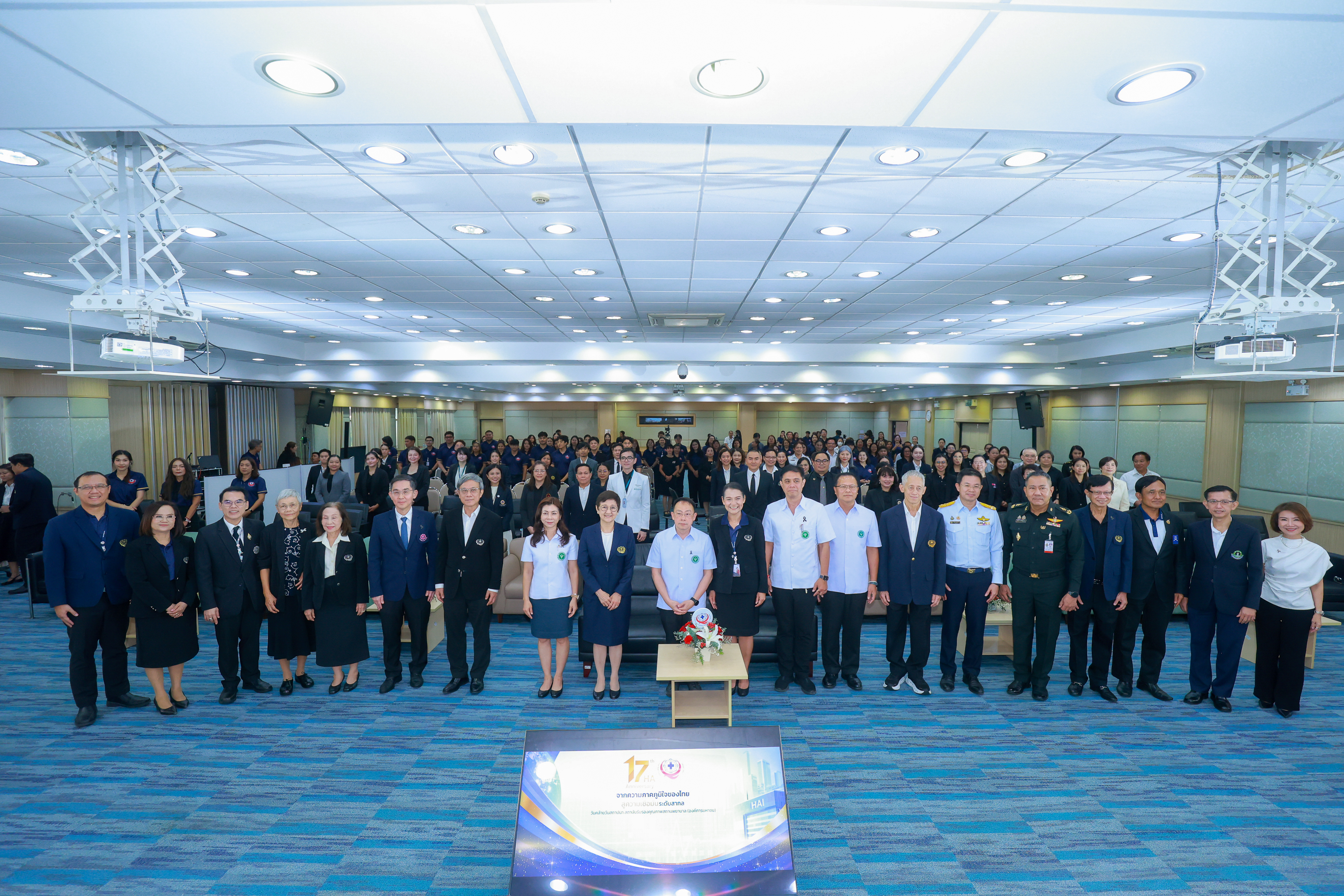
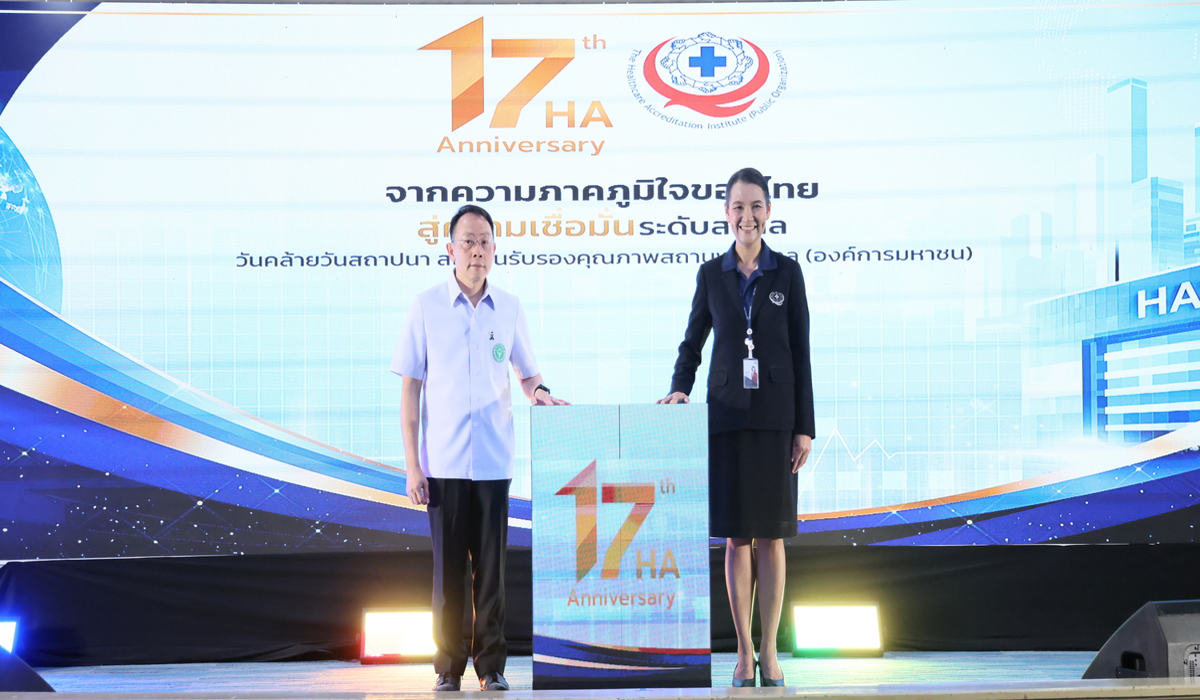
On 22 June 2026, Dr. Somruk Chuengsaman, Permanent Secretary of the Ministry of Public Health, presided over the anniversary celebration and delivered a keynote address entitled “The Ministry of Public Health’s Policy for Healthcare Service Quality.” The event, organized by the Healthcare Accreditation Institute (Public Organization) (HAI), was held under the theme “17 Years of HAI: Advancing HA Standards from Thailand’s Pride to Global Confidence” at the National Health Building, Ministry of Public Health, Nonthaburi Province.
Dr. Somruk stated that healthcare systems worldwide are currently facing significant challenges, including population ageing, epidemiological transitions, the growing burden of non-communicable diseases, rapid advances in medical technology, and rising public expectations. Guided by the vision of “Good Health for All Ages: Strengthening Thailand’s Economy through Innovation and Wisdom,” under the leadership of Mr. Pattana Promphat, Minister of Public Health, the Ministry is committed to developing Thailand’s healthcare system beyond medical treatment alone. This requires a strong foundation of quality and patient safety within healthcare services.
The Ministry places great importance on developing healthcare services that are standardized, safe, people-centered, and driven by data, technology, innovation, and knowledge. Healthcare facilities are encouraged to continuously improve quality in compliance with legal requirements through the HS4 standards and further enhance healthcare service quality through the Hospital Accreditation process.
“I would like to express my appreciation and congratulations to the executives and staff of HAI, as well as all partner organizations that have continuously contributed to this important national mission over the past 17 years. The Ministry of Public Health stands ready to continue working with HAI and all stakeholders to improve healthcare quality, keep pace with global changes, build public trust, and sustainably elevate Thailand’s healthcare system to international standards. May HAI’s 18th year mark another significant step forward in advancing Thailand’s healthcare system,” said Dr. Somruk.
Dr. Piyawan Limpanyalert, Chief Executive Officer of the Healthcare Accreditation Institute, stated that HAI was established with the primary mission of promoting, supporting, and assessing healthcare facilities for quality accreditation. Over the past 17 years, HAI has continuously driven the development of hospital and healthcare service quality through the implementation of HA standards, fostering a culture of safety that has become a hallmark of Thailand’s public health system.
“Today, HAI is recognized as an organization operating at an international level through its membership in the International Society for Quality in Health Care External Evaluation Association (ISQua EEA), a global organization that has advanced quality and safety in healthcare systems for more than 30 years and includes over 70 member countries. ISQua EEA evaluates and accredits External Evaluation Organizations worldwide.
As an internationally recognized External Evaluation Organization, an institution must demonstrate organizational development, robust standards, and a systematic surveyor development process. HAI is currently one of only 18 organizations worldwide accredited by ISQua EEA across all three accreditation programmes. Furthermore, the 6th Edition of Thailand’s Hospital and Healthcare Standards became the first set of standards in the world to be accredited under ISQua EEA’s new criteria, integrating digital healthcare, sustainability, and workforce well-being into the standards.
HAI is also one of only four countries worldwide whose Primary Care Standards have been accredited by an international organization. This achievement reflects Thailand’s capability in developing internationally recognized healthcare quality systems and serves as a strong foundation for sustaining confidence in Thailand’s healthcare system.”
Dr. Piyawan added that this accreditation is a significant achievement for Thailand’s healthcare sector. Currently, only four countries—Australia, Jordan, Egypt, and Thailand—have internationally accredited primary healthcare standards. Within the Asia-Pacific region and among members of ASQua, Thailand is one of only two countries, alongside Australia, to have achieved this recognition.
“HAI would like to thank all stakeholders whose contributions made this success possible. Our future goal is not merely to maintain existing standards, but to further elevate the quality of healthcare services in Thailand so that they deliver better health outcomes for the public and gain broader international recognition while remaining appropriate to the Thai context,” she said.
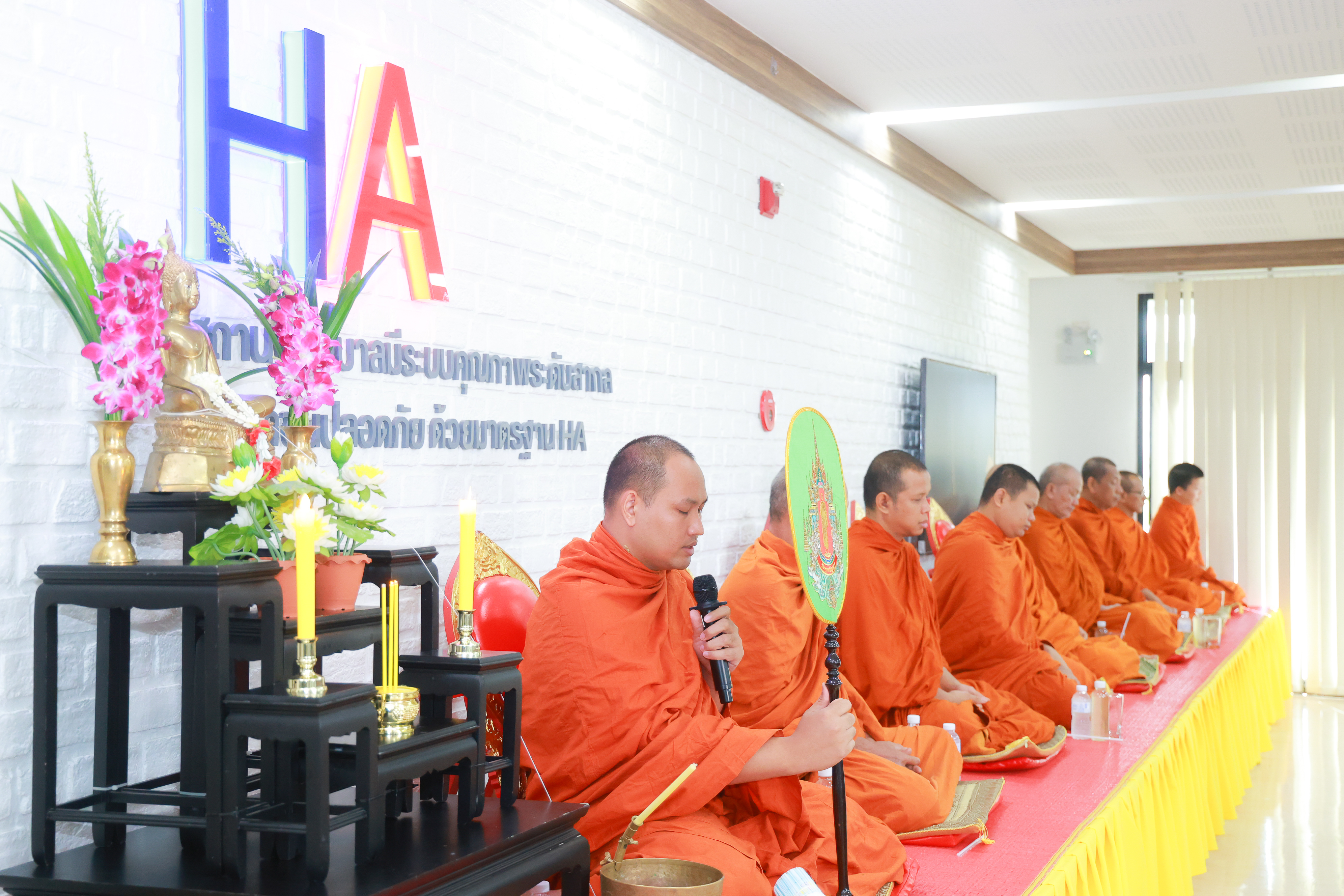
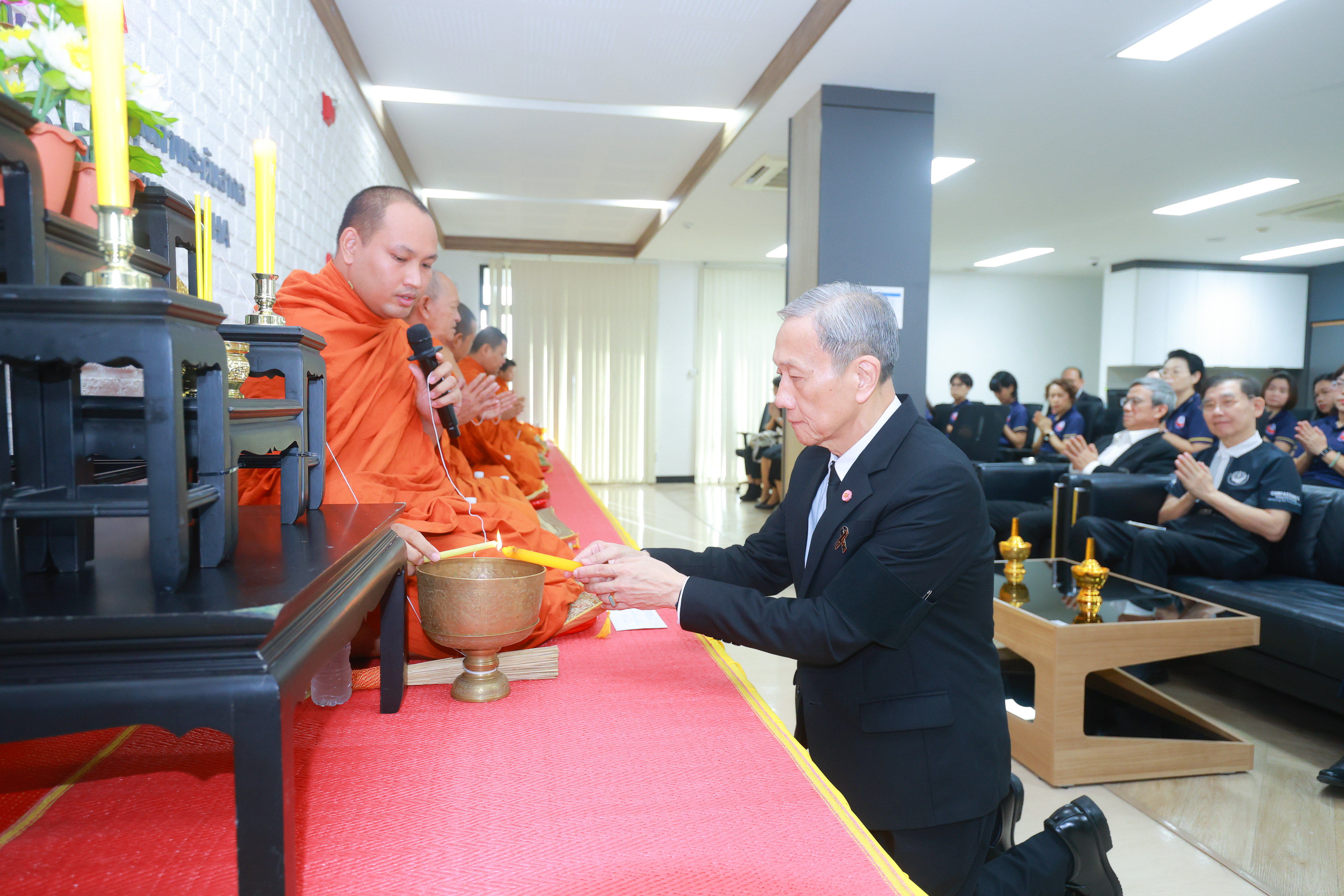
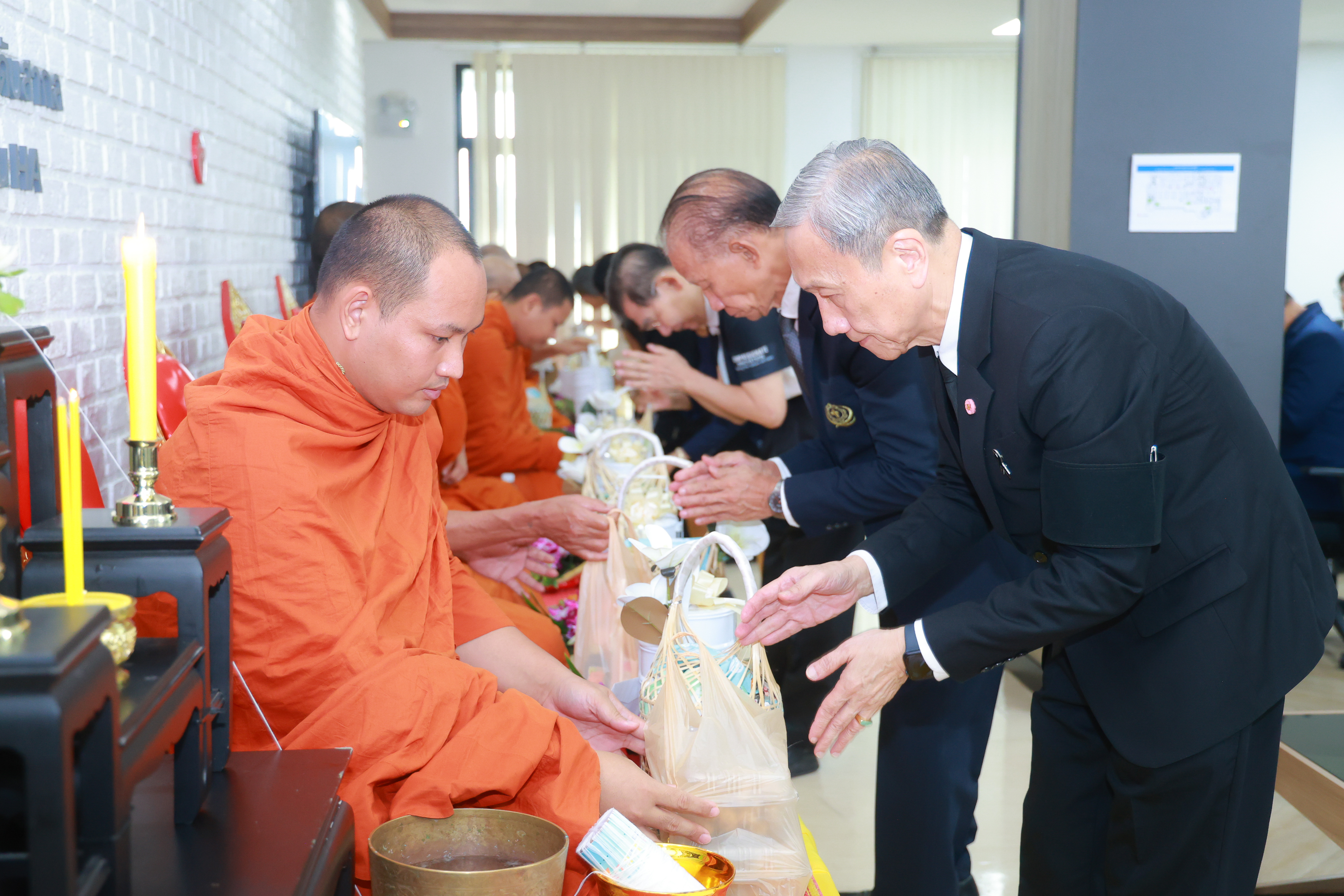
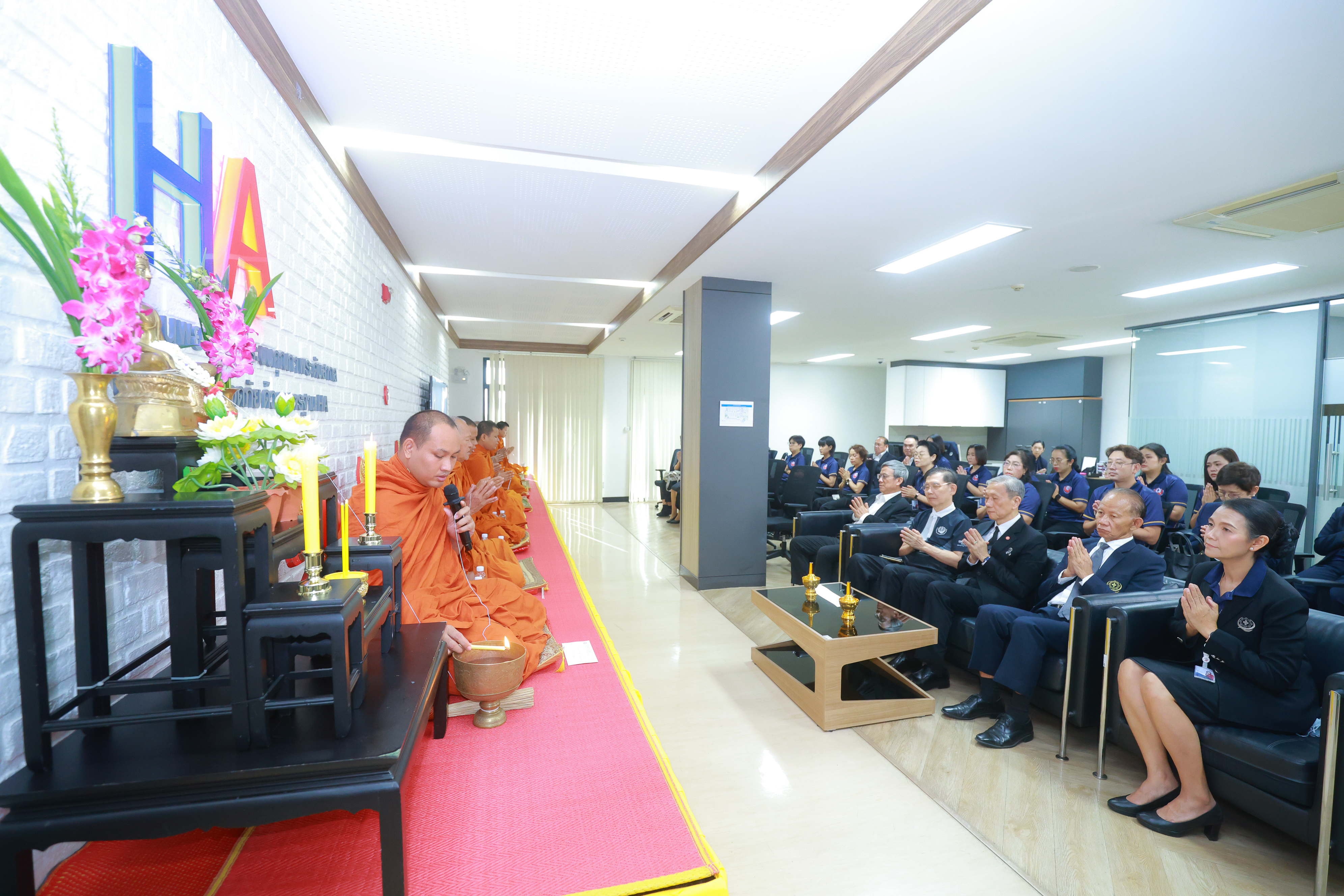
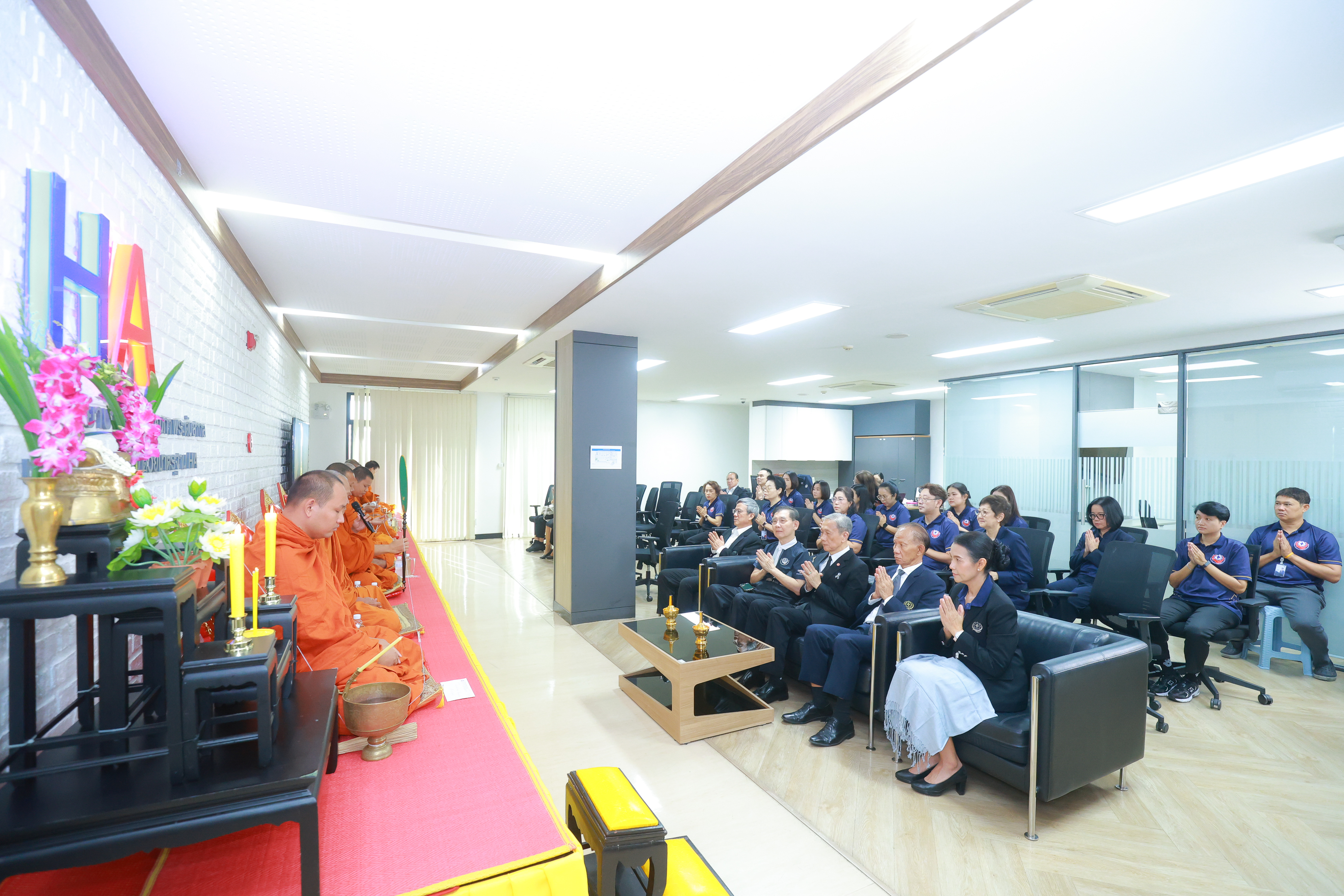
The 17th Anniversary Celebration of HAI included a merit-making ceremony and the forum “HA Next Generation 2030: Advancing HA Standards from Thailand’s Pride to Global Confidence” in the morning session. In the afternoon, additional learning activities were organized for healthcare facilities across the country. HAI also conducted an online communication session to explain the Guidelines for Development Assessment and Accreditation under the 6th Edition of Hospital and Healthcare Standards (HA), helping healthcare organizations nationwide prepare for the future of quality healthcare in the modern era.
คลังภาพ